
How To Rebuild A Damaged Skin Barrier Fast With Ceramides?
Your skin feels tight. It stings when you apply your usual moisturizer. Redness won’t go away no matter what you try. If this sounds familiar, your skin barrier is probably damaged. The good news? Ceramides can help you fix it faster than you think.
Ceramides make up about 50% of your skin’s outer layer. They act like the mortar between bricks, holding your skin cells together and keeping moisture locked in. When your barrier breaks down, ceramide levels drop, and your skin loses its ability to protect itself.
This guide will walk you through everything you need to know about using ceramides to rebuild your damaged skin barrier. Let’s get your skin back to healthy.
Key Takeaways
Ceramides are essential lipids that make up roughly half of your skin’s protective outer layer. Without enough ceramides, your skin barrier cannot function properly, and moisture escapes while irritants get in.
A damaged skin barrier shows clear signs such as persistent dryness, redness, stinging, flaking, increased sensitivity, and breakouts. Recognizing these signs early helps you start repair sooner and avoid further damage.
Mild barrier damage can improve in 7 to 14 days, while moderate damage takes 2 to 4 weeks. Severe cases may need 4 to 8 weeks of consistent care with ceramide based products and a simplified skincare routine.
The golden ratio for barrier repair is ceramides, cholesterol, and fatty acids in a 3:1:1 ratio. This combination mimics the natural lipid composition of healthy skin and speeds up recovery significantly.
Diet plays a supporting role in ceramide production. Foods like sweet potatoes, eggs, brown rice, avocados, and omega 3 rich fish can boost your body’s natural ceramide levels from within.
Simplifying your skincare routine is just as important as adding ceramides. Removing harsh actives, exfoliants, and fragranced products gives your barrier the breathing room it needs to heal.
What Is Your Skin Barrier And Why Does It Matter
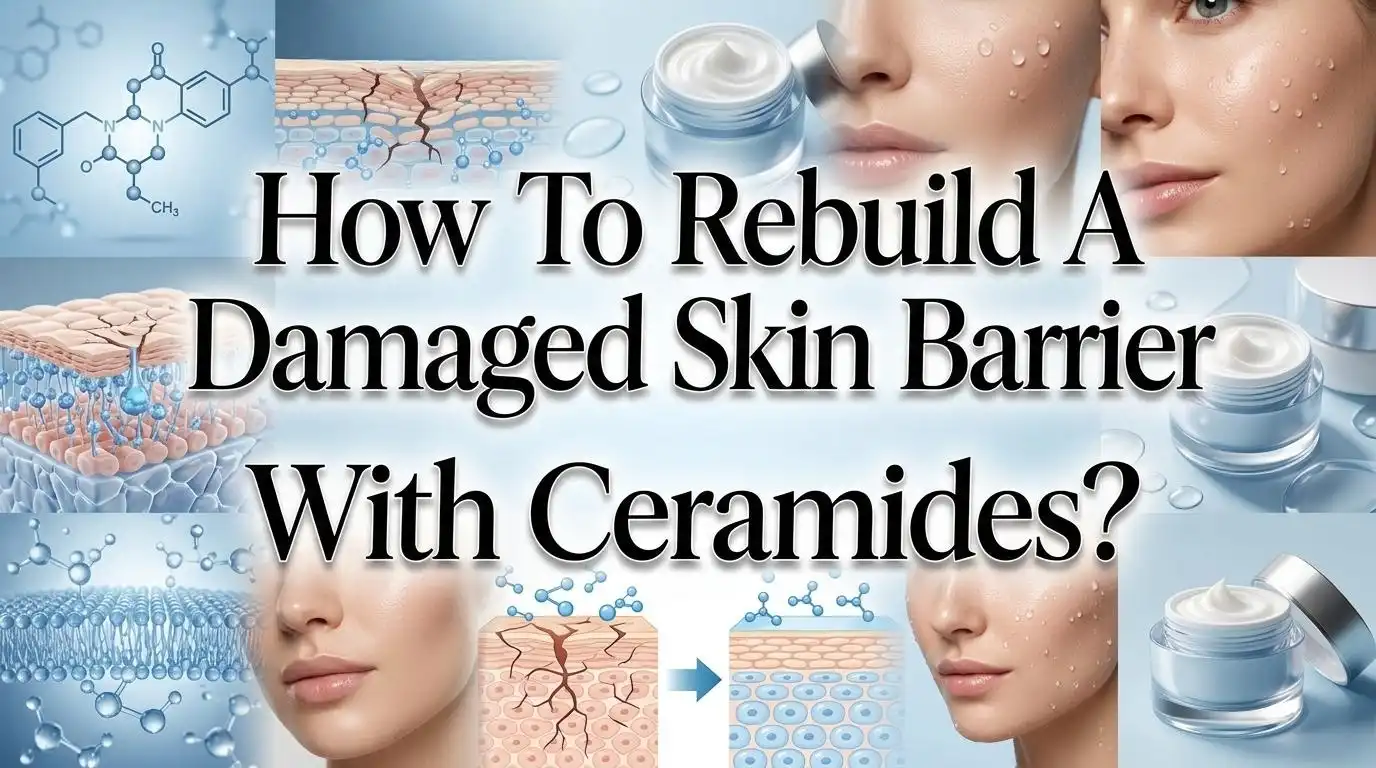
Your skin barrier is the outermost layer of your skin called the stratum corneum. Think of it as a brick wall. The skin cells (called corneocytes) are the bricks, and the lipids between them are the mortar. This mortar is made of ceramides, cholesterol, and fatty acids.
This barrier serves two critical jobs. First, it locks moisture inside your skin so it stays hydrated. Second, it blocks harmful substances like bacteria, pollution, allergens, and UV radiation from entering your body.
When your skin barrier is healthy, your skin looks smooth, feels soft, and stays calm. It can tolerate products, weather changes, and daily stress without overreacting. A strong barrier also helps your skin maintain a slightly acidic pH of around 4.5 to 5.5, which discourages bacterial growth.
When the barrier is damaged, everything changes. Water escapes through cracks in the lipid layer, a process called transepidermal water loss (TEWL). Irritants slip through those same cracks and trigger inflammation. Your skin becomes dry, red, sensitive, and prone to breakouts.
Research published in the International Journal of Cosmetic Science confirms that damaged skin shows significantly reduced ceramide levels compared to healthy skin. This is why adding ceramides back is one of the most effective strategies for barrier repair.
How To Recognize A Damaged Skin Barrier
Before you can fix your barrier, you need to confirm that it is actually damaged. Many people confuse barrier damage with other skin issues, which leads them to use the wrong treatments and make things worse.
Persistent dryness is one of the most common signs. Your skin feels dry even after applying moisturizer, because the moisture keeps escaping through the compromised barrier. This is different from simple dehydration, which responds well to a good hydrating product.
Stinging or burning when you apply products you previously tolerated is a major red flag. A healthy barrier protects your nerve endings. A damaged one leaves them exposed, so even gentle ingredients can cause discomfort.
Other clear signs include redness that does not go away, flaking and rough texture, increased sensitivity to temperature changes, sudden breakouts, and a tight feeling across your face. Some people also notice their skin looks dull and lacks its usual glow.
A simple test you can do at home is to wash your face with a gentle cleanser and wait 30 minutes without applying anything. If your skin feels extremely tight, looks shiny in some spots but flaky in others, or turns red, your barrier likely needs repair.
If you notice multiple signs at once, that is a strong signal to pause all active ingredients and switch to a ceramide focused repair routine immediately.
What Causes Skin Barrier Damage
Understanding the root cause helps you avoid repeating the same mistakes while you repair your barrier. Several common habits and factors break down the skin barrier over time.
Over exfoliation is the number one culprit. Using chemical exfoliants like AHAs, BHAs, or physical scrubs too often strips away the protective lipid layer. Many people exfoliate daily or even twice daily, which is far too aggressive for most skin types. Dermatologists recommend exfoliating no more than 2 to 3 times per week for most people.
Retinol misuse is another frequent cause. Retinol increases cell turnover, which is beneficial in the right amounts. However, starting with a high concentration, using it every night, or layering it with other actives can overwhelm your barrier.
Harsh cleansers with sulfates and high pH levels dissolve the natural oils your barrier needs. Hot water has a similar effect, stripping lipids from the skin surface with every wash.
Environmental factors also play a role. Cold, dry air in winter pulls moisture from your skin. UV exposure damages lipid structures. Pollution introduces free radicals that break down ceramides.
Stress and lack of sleep slow down your skin’s natural repair processes. Your body produces ceramides and other lipids primarily at night, so poor sleep directly reduces your skin’s ability to maintain its barrier.
Pros of identifying the cause: You can prevent future damage and speed up recovery.
Cons of ignoring the cause: Your barrier will keep breaking down even as you try to repair it, creating a frustrating cycle.
What Are Ceramides And How Do They Repair Skin
Ceramides are a type of lipid (fat molecule) naturally found in your skin. They are a specific class of sphingolipids made up of a sphingoid base linked to a fatty acid chain. Your skin contains these lipids in large quantities, and they play a central role in barrier function.
Ceramides work by filling the spaces between your skin cells. They create a tight, waterproof seal that prevents moisture loss and blocks the entry of irritants. Without enough ceramides, gaps form in this seal, and your barrier fails.
Scientists have identified at least 12 different types of ceramides in human skin. The most important ones for barrier repair include Ceramide NP (formerly Ceramide 3), Ceramide AP (Ceramide 6 II), Ceramide EOP (Ceramide 1), and Ceramide NS (Ceramide 2). Each type serves a slightly different structural role.
When you apply ceramides topically, they integrate into the existing lipid matrix of your stratum corneum. Research shows that topical ceramides can reduce transepidermal water loss, decrease inflammation, and improve skin hydration within days of consistent use.
The most effective ceramide formulas combine ceramides with cholesterol and free fatty acids in a ratio that mimics your skin’s natural composition. Studies confirm that this combination repairs barriers significantly faster than ceramides alone.
Pros of ceramides for barrier repair: They are bioidentical to your skin’s own lipids, making them highly compatible and well tolerated by all skin types.
Cons: Ceramides alone are not enough. They need supporting lipids and a simplified routine to deliver full results.
Which Types Of Ceramides Work Best For Barrier Repair
Not all ceramide formulations deliver the same results. Knowing which types to look for helps you choose more effective products.
Ceramide NP (Ceramide 3) is the most abundant ceramide in healthy skin. It excels at moisture retention and is the most widely studied ceramide in skincare research. Most dermatologist recommended barrier repair formulas include this type.
Ceramide AP (Ceramide 6 II) supports the natural shedding of dead skin cells. This is important during barrier repair because it helps your skin turnover properly without the need for harsh exfoliants.
Ceramide EOP (Ceramide 1) forms long chain structures that bridge multiple layers of the lipid matrix. Think of it as the structural support beam. It is less common in formulas but highly valuable for deep barrier repair.
Phytosphingosine and sphingosine are ceramide precursors. Your skin uses these building blocks to produce its own ceramides. Products containing these precursors support your skin’s natural ceramide production rather than just adding external ceramides.
The best approach is to use products that contain multiple ceramide types along with cholesterol and fatty acids. This multi ceramide approach provides the most complete repair because it addresses all levels of the lipid matrix.
Look for ingredient labels that list specific ceramide types rather than just the generic term “ceramides.” A formula with Ceramide NP, Ceramide AP, and Ceramide EOP provides broader coverage than one with a single ceramide type.
Pros of multi ceramide formulas: Broader repair, closer to your skin’s natural composition, faster results.
Cons: These formulas can be harder to find and may cost more than single ceramide products.
The Golden Ratio: Ceramides, Cholesterol, And Fatty Acids
One of the most important findings in skin barrier research is the concept of the 3:1:1 ratio. This refers to the ideal proportion of ceramides, cholesterol, and free fatty acids for effective barrier repair.
Your skin’s natural lipid matrix contains these three components in a specific balance. When one component is missing or present in the wrong amount, the barrier does not seal properly. Applying ceramides without cholesterol and fatty acids is like using mortar without the right proportions of sand and cement. It will not hold.
Research published in dermatology journals shows that formulas containing all three lipids in the 3:1:1 ratio repair barriers significantly faster than those containing ceramides alone. These formulas reduce TEWL more effectively and restore skin hydration to normal levels sooner.
Cholesterol strengthens the lipid structure and controls how permeable your barrier is. Without it, the barrier remains too loose even after ceramide application. Free fatty acids, including linoleic acid and palmitic acid, fill remaining gaps and provide anti inflammatory benefits.
Many basic moisturizers contain some fatty acids but lack cholesterol or contain ceramides in insufficient amounts. This is why switching to a dedicated barrier repair formula matters during the healing phase.
You do not need to calculate this ratio yourself. Products formulated for barrier repair typically include these three components in the right proportion. Just verify that the ingredient list includes ceramides, cholesterol, and fatty acids or oils rich in fatty acids like sunflower seed oil or safflower oil.
Step By Step Routine To Rebuild Your Skin Barrier With Ceramides
A clear routine removes the guesswork and helps you stay consistent. Follow these steps for the fastest barrier repair results.
Step 1: Simplify your routine immediately. Stop using all active ingredients including retinol, vitamin C serums, AHAs, BHAs, and benzoyl peroxide. These ingredients increase irritation in damaged skin. You can reintroduce them slowly once your barrier heals.
Step 2: Switch to a gentle, low pH cleanser. Choose a cream or oil based cleanser that does not foam aggressively. Foaming agents like sodium lauryl sulfate strip lipids from your skin. Wash with lukewarm water, never hot.
Step 3: Apply a ceramide serum or treatment on damp skin. Damp skin absorbs active ingredients more effectively. Pat a ceramide serum onto your face gently. Do not rub or pull the skin.
Step 4: Layer a ceramide rich moisturizer on top. This seals in the serum and adds an extra dose of barrier repairing lipids. Look for a cream that contains the full ceramide, cholesterol, and fatty acid trio.
Step 5: Seal everything with an occlusive at night. An occlusive like petroleum jelly, squalane oil, or a healing balm creates a physical barrier that prevents moisture from evaporating while you sleep. This technique is sometimes called “slugging.”
Step 6: Apply a broad spectrum SPF 30 or higher sunscreen every morning. UV damage breaks down ceramides and slows healing. Mineral sunscreens with zinc oxide are gentlest on damaged skin.
Pros of this routine: Simple, effective, and backed by dermatological research.
Cons: You must temporarily stop using active ingredients you may enjoy, and results require patience and consistency.
How Long Does It Take To Rebuild Your Skin Barrier
The repair timeline depends on how severe your damage is, how consistently you follow a repair routine, and your individual skin biology. However, general timelines based on research and dermatologist experience give you a clear idea.
Mild damage (slight dryness, occasional stinging) typically improves within 7 to 14 days of consistent ceramide use and routine simplification. You will notice less tightness, reduced redness, and improved hydration.
Moderate damage (persistent dryness, frequent stinging, visible flaking, breakouts) usually takes 2 to 4 weeks to show meaningful improvement. Full recovery may take up to 6 weeks.
Severe damage (painful sensitivity, widespread redness, cracking, infection risk) can require 4 to 8 weeks or longer. In these cases, seeing a dermatologist is strongly recommended because you may need prescription treatments alongside ceramide therapy.
Several factors influence how fast your barrier heals. Age matters because ceramide production declines naturally after your 30s, slowing repair. Climate plays a role too. Dry, cold environments increase TEWL and can extend healing time.
Your consistency is the biggest factor. Skipping your ceramide moisturizer, using hot water, or sneaking in an exfoliant “just once” can set your progress back by days or even weeks.
A good way to track your progress is to take photos in the same lighting every week. Look for reduced redness, less flaking, decreased sensitivity to products, and improved skin texture. These visual markers help you stay motivated and confirm that your routine is working.
Foods That Boost Ceramide Production From Within
Topical ceramides repair the outside of your barrier. Dietary support strengthens it from the inside. Certain foods contain ceramides or provide the building blocks your body needs to produce them.
Sweet potatoes are one of the richest natural sources of plant based ceramides called phytoceramides. Studies suggest that dietary phytoceramides can improve skin hydration and reduce TEWL when consumed regularly.
Eggs contain sphingolipids that your body converts into ceramides. The yolks are especially rich in these lipid precursors. Including eggs in your diet supports your skin’s natural ceramide synthesis.
Brown rice, wheat germ, and corn also contain significant amounts of phytoceramides. These whole grains offer an easy way to add ceramide boosting foods to everyday meals.
Omega 3 fatty acids found in salmon, mackerel, walnuts, chia seeds, and flaxseeds support the fatty acid component of your skin barrier. Research shows that omega 3 supplementation can improve skin barrier function and reduce inflammation.
Avocados provide healthy monounsaturated fats along with vitamin E, both of which support lipid production in the skin. They also contain anti inflammatory compounds that help calm irritated, barrier damaged skin.
Hydration matters too. Drinking enough water ensures your skin cells stay plump and the lipid matrix functions properly. Aim for at least 8 glasses of water per day, more if you exercise or live in a dry climate.
Pros of dietary support: Works from the inside out, supports overall skin health long term.
Cons: Takes longer to show results compared to topical application, and cannot replace a good skincare routine.
Common Mistakes People Make During Barrier Repair
Even with the best intentions, many people slow down their barrier recovery by making avoidable errors. Knowing these pitfalls helps you stay on track.
Mistake 1: Using too many products. During barrier repair, less is more. Some people add multiple ceramide serums, oils, and creams thinking more products mean faster results. This can overwhelm damaged skin and introduce unnecessary ingredients that cause irritation.
Mistake 2: Reintroducing actives too soon. Your skin starts feeling better after a week, and you think it is safe to bring back retinol or exfoliants. This is the most common reason for relapse. Wait until your barrier is fully healed (no sensitivity, no dryness, no redness) before slowly reintroducing one active at a time.
Mistake 3: Skipping sunscreen. UV radiation breaks down ceramides and damages the lipid matrix. Going without sunscreen during barrier repair is like trying to fill a bathtub with the drain open. Every bit of progress gets undone.
Mistake 4: Washing your face with hot water. Hot water dissolves lipids. It feels soothing in the moment but strips the very ceramides you are trying to replenish. Always use lukewarm or cool water.
Mistake 5: Expecting overnight results. Barrier repair is a biological process that takes time. Your skin needs to produce new cells and lipids, and that happens on a specific timeline. Impatience leads people to abandon effective routines before they have a chance to work.
Mistake 6: Ignoring sleep quality. Your skin does most of its repair work between 10 PM and 2 AM. Poor sleep reduces ceramide production and slows the entire healing process. Prioritize 7 to 8 hours of quality rest.
Supporting Ingredients That Boost Ceramide Performance
Ceramides work best as part of a team. Several other ingredients amplify their barrier repair effects and speed up your recovery.
Niacinamide (Vitamin B3) is one of the most powerful ceramide boosters available. Research shows that niacinamide stimulates your skin’s own ceramide production by up to 34%. It also reduces inflammation and redness, making it a perfect companion during barrier repair.
Hyaluronic acid draws moisture into the skin and holds up to 1,000 times its weight in water. When used under a ceramide moisturizer, it provides deep hydration that ceramides then lock in place. This combination addresses both hydration and barrier sealing simultaneously.
Panthenol (Vitamin B5) soothes irritated skin and accelerates wound healing. It penetrates the skin easily and converts to pantothenic acid, which supports lipid metabolism. Many dermatologists recommend panthenol for sensitive, barrier damaged skin.
Centella Asiatica (Cica) has been used for centuries to heal wounds and calm inflammation. Modern research confirms it stimulates collagen production and strengthens the skin barrier. Products containing Centella paired with ceramides provide both soothing and structural benefits.
Squalane mimics your skin’s natural sebum and provides excellent occlusive properties. It is lightweight, non comedogenic, and compatible with all skin types. Using squalane as a final layer at night enhances ceramide retention.
Glycerin is a simple but effective humectant that draws moisture from the environment into your skin. Nearly every well formulated barrier repair cream contains glycerin alongside ceramides for maximum hydration.
Pros of combining these ingredients with ceramides: Faster, more complete repair with multiple benefits.
Cons: Adding too many products at once can be counterproductive. Introduce one new product at a time and monitor your skin’s response.
When To See A Dermatologist About Your Skin Barrier
Home care with ceramides and a simplified routine works well for most cases of barrier damage. However, some situations require professional help.
See a dermatologist if your symptoms last longer than 8 weeks despite consistent barrier repair efforts. Prolonged damage that does not respond to ceramides may indicate an underlying skin condition like eczema, psoriasis, rosacea, or contact dermatitis.
Signs of skin infection also warrant immediate professional attention. If you notice pus, spreading redness, warmth, swelling, or fever alongside your barrier damage, bacteria or fungi may have entered through the compromised barrier. Infections require medical treatment with prescription antibiotics or antifungals.
Severe pain or burning that prevents you from applying even the gentlest products is another reason to seek help. A dermatologist can prescribe stronger barrier repair treatments, including prescription ceramide formulas and anti inflammatory medications.
If you have a history of atopic dermatitis or eczema, your barrier may have a genetic component that requires ongoing medical management. People with these conditions have naturally lower ceramide levels and benefit from both prescription and over the counter ceramide therapies.
A dermatologist can also help you identify the exact cause of your barrier damage through patch testing and skin analysis. This is especially useful if you cannot figure out which product or habit caused the problem.
Do not wait too long to seek help. The longer you leave severe barrier damage untreated, the harder it becomes to repair. Early professional intervention can prevent complications and shorten your overall recovery time significantly.
Maintaining A Healthy Skin Barrier After Recovery
Repairing your barrier is only half the battle. Keeping it strong requires ongoing habits that prevent future damage and maintain healthy ceramide levels.
Continue using a ceramide moisturizer as part of your daily routine even after your barrier heals. Think of it as maintenance rather than treatment. Your skin loses ceramides naturally through daily exposure to water, cleansing, and environmental stress.
Reintroduce active ingredients slowly. Start with the mildest formulation at the lowest frequency. For example, use retinol once a week for two weeks before increasing to twice a week. Monitor your skin for any signs of irritation.
Keep exfoliation moderate. Limit chemical exfoliants to 1 to 2 times per week maximum. Choose gentle formulations with lower concentrations. Your barrier will tolerate this frequency without breaking down again.
Protect your skin from the sun every single day. UV damage is cumulative and directly reduces ceramide levels. Make broad spectrum sunscreen a non negotiable step in your morning routine, regardless of weather or season.
Adjust your routine with the seasons. Winter air is drier and demands richer ceramide creams and occlusive layers. Summer may allow lighter formulations but still requires consistent barrier support.
Pay attention to your stress levels, sleep quality, and diet. These internal factors directly affect your skin’s ceramide production. A balanced lifestyle supports a strong barrier from the inside out, reducing the risk of future damage.
Pros of a maintenance approach: Prevents recurring barrier damage, saves you from going through the repair process again.
Cons: Requires ongoing commitment and awareness, which some people find difficult to sustain long term.
Frequently Asked Questions
Can I use retinol and ceramides at the same time?
Yes, but timing matters. Do not use retinol on actively damaged skin. Wait until your barrier is fully repaired. Once healed, you can apply retinol first and layer a ceramide moisturizer on top. The ceramides buffer the irritation retinol can cause and help keep your barrier strong. Start with a low concentration retinol and use it only 2 to 3 times per week.
How do I know if my skin barrier is fully healed?
Your skin barrier is likely healed when it no longer stings or burns from products that previously caused irritation. Other signs include reduced redness, no more flaking or dryness, a smoother texture, and a healthy glow. You should be able to tolerate your normal skincare products without any reaction. The full healing process typically takes 2 to 8 weeks depending on the severity of damage.
Are ceramide supplements effective for skin barrier repair?
Oral ceramide supplements (phytoceramides) show promise in research. Some studies found that taking phytoceramide supplements improved skin hydration and reduced TEWL after 4 to 8 weeks. However, they work more slowly than topical ceramides and should be used as a complement, not a replacement, for your topical routine. Always consult a healthcare professional before starting any supplement.
Can oily skin have a damaged barrier?
Absolutely. Oily skin and barrier damage are not mutually exclusive. In fact, barrier damage can cause oily skin to produce even more oil as a compensating response. If your oily skin is also sensitive, red, flaky, or stinging, your barrier may be compromised. Ceramide repair works for all skin types, including oily and acne prone skin. Choose lightweight, non comedogenic ceramide formulas.
Is petroleum jelly safe to use for barrier repair?
Yes. Petroleum jelly is one of the most effective occlusive agents available. It reduces TEWL by up to 98% and creates a protective seal over damaged skin. It is non comedogenic for most people despite its thick texture. Apply a thin layer over your ceramide moisturizer at night. This “slugging” technique traps moisture and ceramides against your skin while you sleep, accelerating repair.
How often should I apply ceramide products during barrier repair?
Apply ceramide moisturizer at least twice daily during active barrier repair. Use it in the morning after cleansing and before sunscreen, and again at night as the last step before your occlusive layer. Consistency is more important than quantity. A thin, even layer applied regularly outperforms a thick application done sporadically. Once your barrier heals, once or twice daily application is sufficient for maintenance.